
Over the years, I have learned that translation is no exception to Malcolm Gladwell’s rule in his 2008 book Outliers: The Story of Success: it takes 10,000 hours of intensive practice to achieve mastery of complex skills. There is much more to being a translator than simply knowing two languages fluently.
Over the years, I have learned that translation is no exception to Malcolm Gladwell’s rule in his 2008 book Outliers: The Story of Success: it takes 10,000 hours of intensive practice to achieve mastery of complex skills. There is much more to being a translator than simply knowing two languages fluently. Translation is a learned skill, and it takes years to hone your craft and learn how to run a translation business. Putting in hours of deliberate practice, identifying weaknesses and working to correct them, and receiving guidance from an established translator or mentor are all necessary in order to become an expert translator.
Here are just a few things I have learned since 2011 when I first started working as a translator:
1. A good translator only translates into their native language.
The ability to write well in any language requires a mastery of grammar, a knowledge of idiomatic expressions and, of course, a large vocabulary, and is extremely rare to find a bilingual person who can translate equally well into both of their languages.
2. The ability to write well is perhaps the most important skill you can have as a translator.
Translation is about more than words; it is about conveying tone, style and, most importantly, meaning.
3. You must work on a variety of projects in different fields and of all sizes before you can correctly estimate the time necessary for a project.
Once you have that, you can incorporate it into your schedule in order to deliver on time and prevent hiccups.
4. Context is critical.
You need to see the bigger picture and not focus only on sentences and terms.
5. You cannot call yourself a specialist until you have translated dozens, if not hundreds, of documents in a specific field, depending on the complexity of the subject matter.
6. Translating different variations of a language (for example, Canadian French into American English) requires living in those regions for a significant amount of time.
(I would say a minimum of two years.)
7. To succeed as a translator in the financial sense, you have to know the market rates and set your prices based on the value you provide.
8. You must make a conscious effort to get to know your clients.
You need a deep understanding of their products and services, their terminology, their style of writing, and their target audience in order to provide the best translation services possible.
9. Having a support system of other translators to rely on and get support on specific issues is essential.
Furthermore, you must attend countless trainings and conferences to establish those relationships.
10. Translation is more than a side hustle; you have to put in the work on a daily basis in order to provide quality service, whether that means responding to clients’ urgent emails or finishing a translation by the time your client needs it.
All of that to say, when you’re looking for the right translator for a job, you should find out how long they have been translating, how they got training, and which fields they specialize in. Look for answers like “I have a degree in translation,” “I’m certified,” or “I have attended [x] translation conferences.” I guarantee that, if they check all the boxes, you will get the quality service you’re looking for.

You may also be interested in these blog posts ...
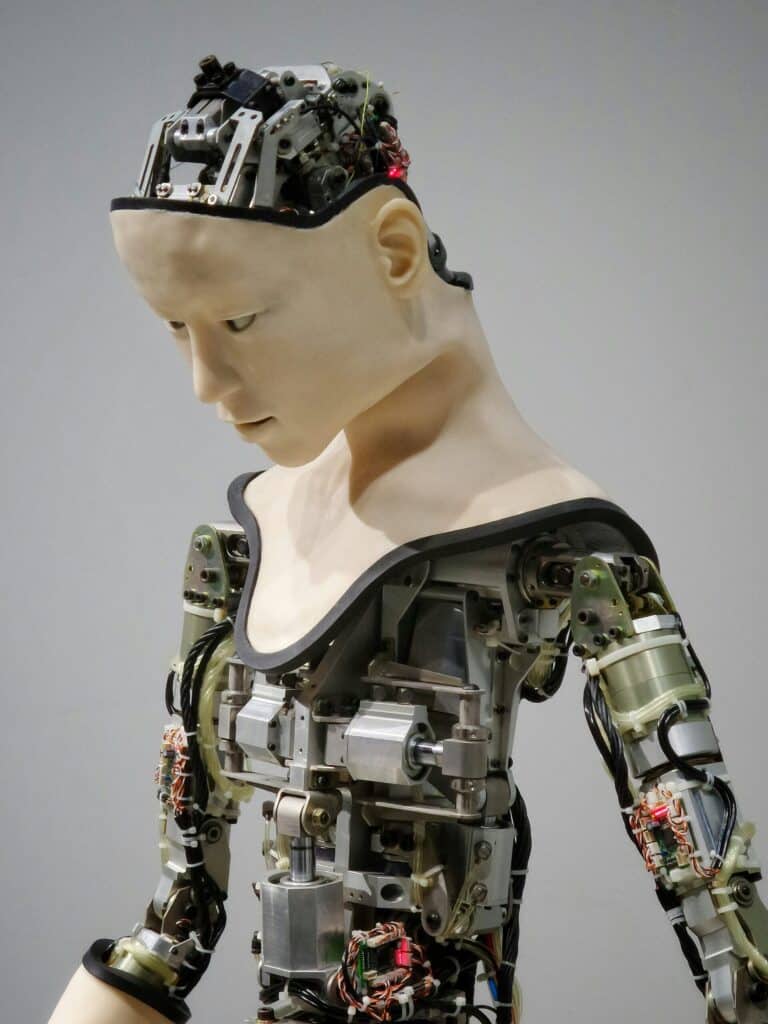
Machine Versus Human: The Drawbacks of neural machine translation in marketing
Despite all of the benefits of neural machine translation, there is still a human working behind the scenes for every good translation. Find out why a good translation is always produced by a real live human being.
The Drawbacks of Relying on Machine Translation for Branding
While machine translation is convenient and cheap (or even free), it can pose significant risks to a brand’s integrity and the effectiveness of its marketing content. Let’s break down the reasons why.

Machine Translation: A tool for professional translators
By integrating human expertise with machine translation technology, translators can produce high-quality translations that are both accurate and fluent, meeting the needs and expectations of clients more effectively. But in the end, a human is always behind a quality translation.