
Have you ever contacted a translation agency looking for an interpreter, only to find out that the company does not provide interpretation services? Read on to find out the differences between translators and interpreters.
Most people do not realize that translation and interpretation are quite different activities. In a nutshell, translators translate written documents, while interpreters translate spoken language. Depending on how a bilingual person acquires their knowledge of two languages, whether a person works as a translator or an interpreter depends on whether they are more comfortable writing or speaking their second language. This makes it so they may be better at translating than interpreting, or vice versa. Here are the primary reasons why translation is so different from interpretation.
Translators are not interpreters
While interpreters are often called translators, the terms are not interchangeable. Generally, most translators are more comfortable writing to communicate, while interpreters are better at orally conveying a speaker’s message. However, while translators might find speaking more challenging than writing, it does not necessarily mean they don’t understand spoken language. Most often, they are simply excellent writers in their native tongue, which means they are skilled at faithfully reproducing a document written in their first language. In fact, the ability to write well in their native language is the second-most important skill a translator must have, with fluency in their second language being the most important. There are, however, the rare bilinguals who are skilled at both interpretation and translation.
The translation skill set
While translation and interpretation both require proficiency in two languages, they each require very different skill sets. As a result, interpreter training differs greatly from the training needed to be a good translator. Conference interpretation, where interpreters translate what is being said as it is being said, even requires a university degree in most cases. Also known as simultaneous interpretation, being able to retain information and repeat it almost instantly in another language is much more difficult than consecutive interpretation where the interpreter takes notes and then provides an interpretation once the speaker stops speaking. That being said, interpreters must develop note-taking skills, as well as the ability to recall information when it comes to consecutive interpretation.
Most translators, on the other hand, stick to translating documents as they are often avid readers who have become skilled at faithfully reproducing a text in another language. Translators often therefore receive training on different writing styles, terminological research skills, and how to translate specific types of texts such as marketing content or legal documents.
And yet…
Translation is a solitary activity, but most translators love to actually discuss their work with clients. Just don’t think if they have a strong accent or make grammatical errors when speaking that they don’t understand or know how to write well in their maternal tongue. They just might be better at written communication, a skill that is essential to being an excellent translator.

You may also be interested in these blog posts ...

Translators Versus Interpreters: What’s the difference?
Have you ever contacted a translation agency looking for an interpreter, only to find out that the company does not provide interpretation services? Read on to find out the differences between translators and interpreters.

How Word+Style Translations Improved its Quality Assurance Using the ISO Standard for Translation Services
ISO 17100 defines requirements for a quality management system for translation services. While getting ISO-certified is too expensive for most small translation agencies, they can forego the formal certification process and simply use the standard as a guideline to improve their services.
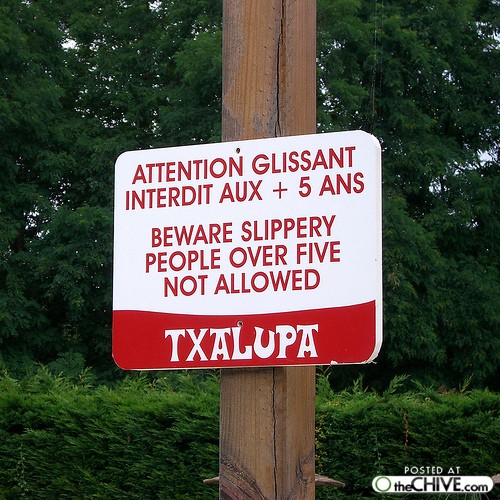
No Translation Too Short: Why you should always consult a professional translator
When you’re a buyer of translation services and don’t speak the target language, it can be very difficult, if not impossible to judge the quality of the translation provided to you. However, by calling on an experienced translator with the credentials to prove it, you’re guaranteed to get the quality content you’re looking for.