
While machine translation is convenient and cheap (or even free), it can pose significant risks to a brand’s integrity and the effectiveness of its marketing content. Let’s break down the reasons why.
While machine translation seems to be all the rage in the translation industry, we must not forget that is also known for its tendency to translate word-for-word. Who hasn’t chuckled at a failed machine translation at one point or another? Popular songs have like “Hello” by Adele have even been translated and then “back translated” into the original language, just for a good laugh. So why would anyone ever rely on a machine if they’re looking for a proper translation? When it comes to branding, a human translator becomes even more essential to avoid literal translations.
Let’s break down the reasons why.
While machine translation is convenient and cheap (or even free), it can pose significant risks to a brand’s integrity and the effectiveness of its marketing content. Marketers spend days, and even weeks, honing brand messaging to reflect a company’s unique personality and values, and this content needs to be given equal consideration and carefully crafted in the target language. You wouldn’t entrust a machine to develop a brand, and the same goes for translation.
For one thing, relying on machine translation for branding results in a loss of brand voice and identity. This is because machine translation generates inconsistent messaging and wording, similar to when you see an AI-generated image of someone you know. The image looks similar, but something is off and it’s hard to put your finger on what has changed. Even if you give ChatGPT a detailed description of a person to create an image, the image differs from one to the next as you give it more input, unlike a character that a human illustrator might make up for storyboard that is consistent from one frame to the next.
Additionally, machine translation is unable to handle specialized terminology and industry jargon, which poses a threat to a brand’s credibility if its website or marketing materials are inaccurate. Marketing content often contains technical terms and product descriptions that require precise translations to convey information about a company’s products or service. Machine translation can misinterpret these terms, undermining consumer trust in the brand’s expertise or the quality of its products.
Because machine translation often fails to capture the nuances of a brand’s voice, it can result in generic or misaligned messaging. This dilutes the brand’s identity and diminishes its ability to connect with consumers on an emotional level. Investing in professional human translation services ensures that a company’s brand resonates authentically with its target audience, in addition to upholding the brand’s reputation in different markets.

You may also be interested in these blog posts ...
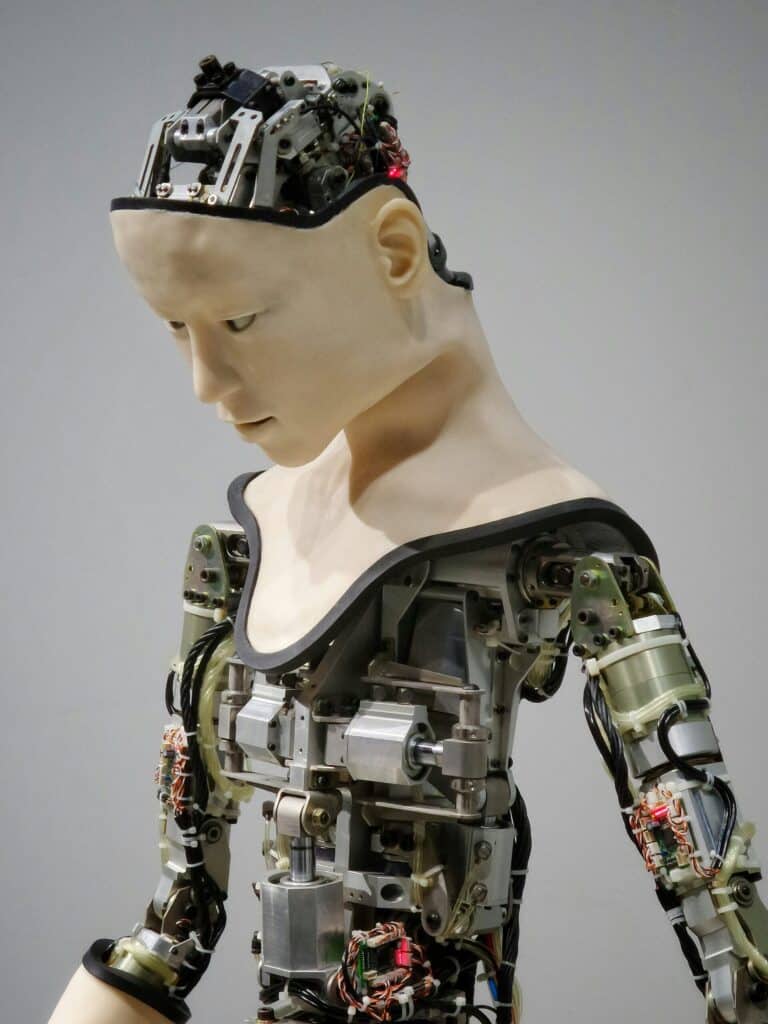
Machine Versus Human: The Drawbacks of neural machine translation in marketing
Despite all of the benefits of neural machine translation, there is still a human working behind the scenes for every good translation. Find out why a good translation is always produced by a real live human being.
The Drawbacks of Relying on Machine Translation for Branding
While machine translation is convenient and cheap (or even free), it can pose significant risks to a brand’s integrity and the effectiveness of its marketing content. Let’s break down the reasons why.
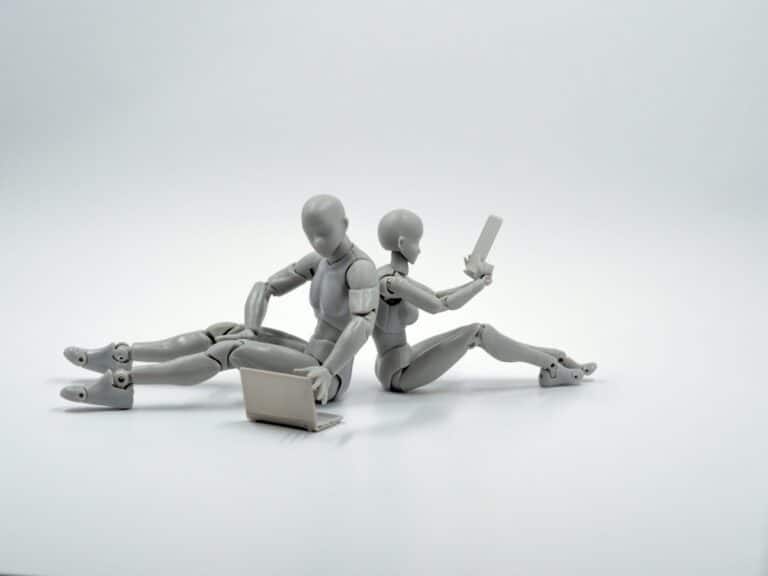
Machine Translation: A tool for professional translators
By integrating human expertise with machine translation technology, translators can produce high-quality translations that are both accurate and fluent, meeting the needs and expectations of clients more effectively. But in the end, a human is always behind a quality translation.