
When you have a document that needs to be translated, one of the first things you must ask yourself is whether the translated document should be revised by another translator. Read on to find out why bilingual revisers are key to rendering an impeccable translation.
As a rule of thumb, the more eyes that will see the translation, the more a bilingual reviser becomes necessary. The fact is that the original document most likely underwent numerous revisions by multiple people, and the same principle applies in translation. For example, if you have a short letter that will be sent to only one or two people, the chances are that a professional translator will be able to provide a quality translation that communicates your original message clearly. Conversely, if you have a promotional ad that will be published on your website, hundreds or even thousands of people may see it, and having a less-than-perfect translation could be detrimental to your professional image. Even if the ad contains just a few words, it is essential that the translation have the same impact as the original. In those cases, getting a second, or even third, opinion on the translation is certain to result in insights that will take it to the next level.
For longer documents such as annual reports or project reports, a bilingual reviser can compare the original to the translation to ensure that there are no mistranslations or omissions. A bilingual reviser will also understand the root of awkward turns of phrase, such as idiomatic expressions, and can offer suggestions on how to communicate the same message in the translation. It is important to note that a unilingual reviser is blind to this type of error and may propose a revision that does not reflect the original message. Most importantly, a bilingual reviser will be able to transform your translation into a text that doesn’t sound like a translation.
Lastly, working with a professional translator in combination with a bilingual reviser ensures that your translations are not just accurate, but also consistent. While many companies outsource all of their documents for translation, some companies have both unilingual and bilingual employees who write content. At Notarius, a Montreal-based technology company that offers an electronic signature platform, most documents are written in French, revised by a French editor, and then translated into English. Other documents are written by anglophone employees or bilingual francophones. As noted by Notarius’ Product Marketing Manager, Norman Courant, “All of our communications are sent to a professional translator or editor. Beyond pure grammar, I view our translators and revisers as a guarantee that our content is consistent from one document to another.”
As a last advantage, you may even pick up a few grammar rules or new vocabulary by having your content corrected by a reviser, which comes in handy when you’re serving clients in another language and need to improve your language skills. But, ultimately, your clients are the ones who benefit the most by having clearly communicated information at their fingertips about your products and services.

You may also be interested in these blog posts ...
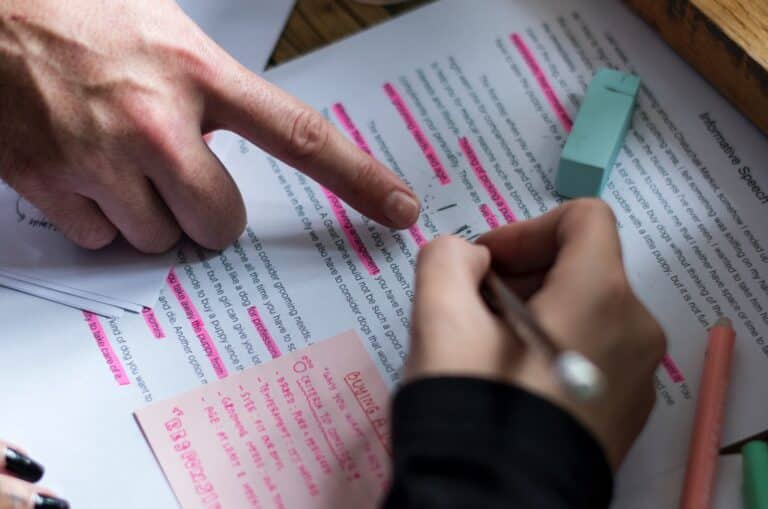
The Benefits of Working with a Bilingual Reviser
When you have a document that needs to be translated, one of the first things you must ask yourself is whether the translated document should be revised by another translator. Read on to find out why bilingual revisers are key to rendering an impeccable translation.

You’re Not Fluent Yet! Speaking the Language of Sustainable Development
Language is powerful. It is how we think, express ourselves and understand others. It can also be used to persuade, convince and influence, which is why the language we use plays an important role in promoting change.
The Golden Rule of Translation: Why translators should translate into their mother tongue
Amongst translators, it is almost universally agreed that translators should only work into their native language, but most translation clients are completely unaware of this fact. Why is this practically the golden rule of translation?