L'IA transforme l’industrie de la traduction, mais elle ne modifie pas ce que les clients attendent : une traduction précise, naturelle, cohérente, adaptée culturellement et conforme à son usage prévu. Le véritable avantage réside dans la combinaison des points forts des êtres humains et de l’intelligence artificielle.
La traduction entre dans une nouvelle ère. En effet, grâce à l’intelligence artificielle (IA), les traducteurs peuvent désormais travailler plus rapidement et obtenir des résultats de meilleure qualité que jamais auparavant. Cependant, malgré les capacités de l’IA, les traducteurs humains restent indispensables pour garantir que la traduction finale est précise et percutante à tous égards. De la même manière que les professionnels de la santé, comme les radiologues et les pathologistes, utilisent l’IA pour améliorer la précision des diagnostics, les traducteurs ont développé des flux de travail avancés basés sur l’IA pour accroître la précision et la qualité de leur travail.
Voici cinq façons dont les traducteurs professionnels utilisent l’IA pour offrir une valeur ajoutée à leurs clients.
-
La traduction guidée par l’humain, où un traducteur humain élabore d’abord une ébauche que l’IA vient ensuite améliorer, permet d’obtenir une meilleure qualité.
De nos jours, la simple présence d’un humain dans la boucle ne suffit plus, et l’idée du « traducteur aux commandes » s’est imposée. Dans un modèle hybride, le traducteur fournit un brouillon de la traduction et le peaufine en fonction du résultat de l’IA. Des études récentes, comme cet article publié (en anglais) dans la revue Nature, soutiennent que le flux de travail centré sur l’humain, augmenté par l’IA, surpasse les humains sur plusieurs aspects. Cela s’explique par le fait que le traducteur est généralement plus absorbé par le processus de traduction, comme il traduit phrase par phrase ou paragraphe par paragraphe et regarde parfois en avant dans le texte pour gagner en clarté et en contexte.
Le procédé inverse – connu dans l’industrie sous le nom de « post-édition » – donne une traduction qui « sonne bien », mais qui est souvent truffée d’erreurs et d’incohérences. Bien qu’elle augmente la rapidité, la traduction axée sur l’IA oblige le traducteur à « vérifier » la traduction pour assurer la cohérence, mais il est difficile de dire avec certitude si la traduction proposée était la meilleure dès le départ. Ce n’est pas garanti, surtout sous contrainte de temps.
De plus, en accordant aux traducteurs plus de temps et en leur permettant de traduire à partir de zéro, on s’assure d’obtenir une traduction non seulement précise, mais aussi originale.
-
Les traducteurs professionnels peuvent rapidement repérer les erreurs dans une traduction générée par l’IA.
Il va sans dire que traduire uniquement avec l’IA, sans intervention humaine, diminue la confiance en la traduction. Voici quelques-unes des erreurs courantes que l’IA commet lors de la traduction :
- manque d’intelligence émotionnelle et ne comprend pas les références culturelles;
- ne respecte pas les préférences stylistiques telles que la ponctuation et les conventions orthographiques, par exemple supprimer l’espace avant un deux-points lors de la traduction du français vers l’anglais ou utiliser l’orthographe de l’anglais canadien plutôt que celle de l’anglais américain;
- traduit incorrectement ou littéralement les temps de verbe du texte source, alors que ceux-ci diffèrent d’une langue à l’autre;
- ne sait pas toujours reconnaître le genre et le nombre (le masculin par opposition au féminin et le singulier par opposition au pluriel);
- produit de légers changements de sens;
- traduit littéralement les expressions idiomatiques, ainsi que les mots à plusieurs sens (polysémie). Il en résulte souvent une traduction dépourvue de sens alors qu’un traducteur humain peut déterminer précisément le sens d’un mot polysémique en fonction de son contexte;
- transpose mot à mot le texte original qui est mal écrit, ce qui donnera une traduction peu naturelle et rigide, car elle imite fidèlement le texte source.
De plus, l’IA ne détecte pas les erreurs, les incohérences ou les ambiguïtés dans le texte source pour éviter qu’elles soient reproduites dans la traduction. C’est un avantage majeur que les traducteurs humains offrent à leurs clients.
-
Les traducteurs professionnels utilisent d’autres outils de traduction pour éviter des erreurs coûteuses.
Pour s’assurer que chaque élément d’une phrase est correctement traduit, les traducteurs utilisent des outils de traduction assistée par ordinateur (TAO) qui affichent les textes source et cible côte à côte dans la même interface. Les bases terminologiques des clients peuvent également être intégrées à l’outil TAO, ainsi que les fonctionnalités de l’IA, ce qui améliore encore la qualité.
De nouveaux outils sont également développés depuis les dernières années pour accroître la productivité des traducteurs professionnels. Lorsqu’elle est combinée aux outils TAO, cette technologie aide les traducteurs à gérer les bases de terminologie, détecter les traductions incohérentes, comparer plusieurs traductions possibles, repérer les formulations culturellement problématiques, vérifier un document selon le style préféré du client et mémoriser la traduction des termes récurrents d’une organisation.
Découvrez comment les traducteurs professionnels intègrent l’expertise humaine à la technologie de traduction automatique dans cet article sur le site de Word+Style.
-
Les traducteurs humains assurent la confidentialité lors de l’utilisation de l’IA.
Pour préserver la confidentialité et gérer les risques de sécurité, les traducteurs professionnels utilisent des logiciels et technologies de traduction avec une interface de programmation d’application (API) pour protéger les données lors de l’utilisation d’un modèle d’IA (comme OpenAI). Quand des outils de traduction assistée par ordinateur sont employés, l’outil TAO communique avec l’API via une connexion sécurisée, généralement HTTPS/TLS, de sorte que le texte n’est pas simplement transmis sur Internet en données lisibles.
Les professionnels ne déposent jamais de documents confidentiels de clients dans des outils grand public non approuvés, tels que les IA basées sur navigateur comme ChatGPT. Dans certains cas, les traducteurs limiteront au maximum les informations envoyées à l’IA. Si le client le permet, il peut supprimer les noms, les adresses, les numéros de compte, les numéros de dossier, la terminologie propriétaire et les autres renseignements identificatoires avant d’envoyer le texte.
Tout cela pour dire qu’il est crucial de maintenir une supervision humaine dans le processus de traduction, car la confidentialité ne constitue pas le seul risque. L’IA peut introduire des erreurs de traduction ou révéler des informations sensibles par le biais de requêtes et de résultats.
Enfin, dans les cas où l’IA est interdite, l’ensemble des compétences d’un traducteur professionnel devient essentiel.
-
Les traducteurs professionnels assurent la cohérence d’une traduction en utilisant des invites d’ancrage et des bases terminologiques.
Comme mentionné précédemment, l’IA produit souvent des incohérences dans une traduction en traduisant différemment les mêmes mots ou expressions dans un même texte, sans parler d’un ensemble de documents.
Avec l’IA générative, les traducteurs peuvent profiter de la « sensibilité au contexte », où l’IA apprend des actions et des contributions du traducteur humain. Cela se fait en utilisant des invites d’ancrage, qui consistent à fournir une courte instruction sur le contexte et le style souhaité, ainsi qu’à nourrir l’IA de différentes données au préalable. Ces données incluent des listes de termes bilingues, des acronymes, des noms et des titres, ainsi que des mémoires de traduction et des documents de référence complets. En conséquence, l’IA garde le cap sur un objectif, un style, un rôle ou un ensemble de contraintes particulières tout au long de la conversation.
En utilisant des invites d’ancrage et les données à sa disposition, le traducteur passe moins de temps à préciser à répétition les règles et plus de temps à revoir la traduction elle-même, en améliorant ainsi sa qualité globale.
Conclusion
L'IA transforme l’industrie de la traduction, mais elle ne modifie pas ce que les clients attendent : une traduction précise, naturelle, cohérente, adaptée culturellement et conforme à son usage prévu.
Le véritable avantage réside dans la combinaison des points forts des êtres humains et de l’intelligence artificielle. L’IA peut aider un traducteur à travailler plus rapidement, à explorer les possibilités, à maintenir la cohérence et à gérer de grands volumes d’informations, mais les outils demeurent imparfaits. Les traducteurs professionnels possèdent l’expertise et le jugement nécessaires pour détecter les erreurs, résoudre les ambiguïtés, saisir les nuances et garantir que le texte final communique exactement ce que leurs clients souhaitent exprimer.
Pour les clients, ce partenariat entre humains et IA représente bien plus qu’une simple traduction plus rapide. Cela signifie avoir un professionnel qui sait quand l’IA peut aider, quand elle est peu digne de confiance et quand l’expertise humaine doit prendre le relais . Il faut que la technologie soit utilisée de manière stratégique et sécurisée, tandis que la responsabilité de la traduction finale repose sur un humain qualifié.
En fin de compte, la question n’est plus de savoir si les traducteurs utilisent l’IA, mais comment ils l’utilisent. Un traducteur professionnel qui allie technologie avancée, expertise linguistique et supervision humaine rigoureuse peut offrir aux clients l’efficacité de l’IA sans compromettre la qualité, la précision et le jugement exigés par la traduction professionnelle. Dans un monde de plus en plus axé sur l’IA, cette combinaison ne remplace pas la traduction professionnelle – elle en renforce même la valeur.

Vous pourriez également être intéressé par ...
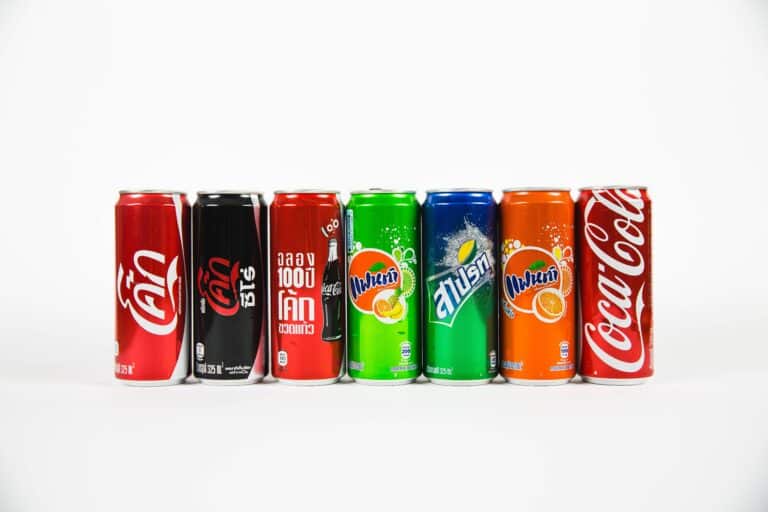
Adapting Marketing Translations to Foreign Audiences
As Nelson Mandela is known for saying, “If you speak to a man in a language he understands, that goes to his head. If you speak to him in his language, that goes to his heart.” So how do you adapt marketing copy originally written in one language into another to appeal to your potential customers?
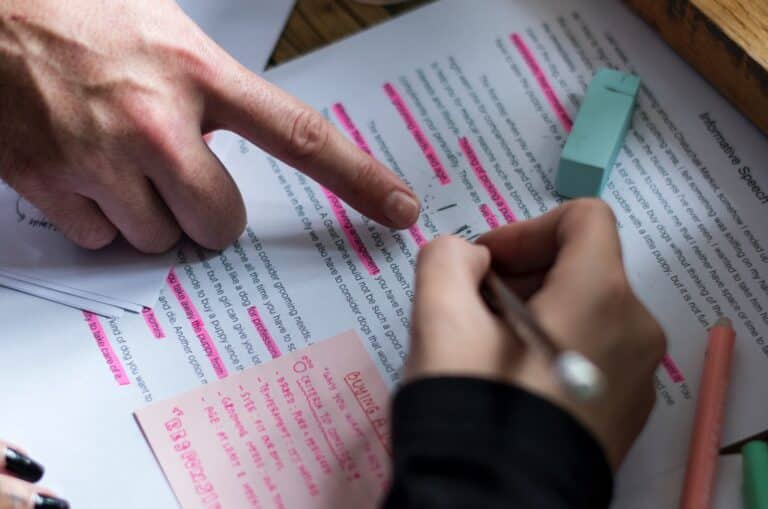
Les avantages de travailler avec un réviseur bilingue
Quand vous avez un document qui a besoin d’être traduit, une des premières questions que vous devez vous poser est de savoir si le document traduit doit être révisé par un autre traducteur. Ceci est une surprise pour la plupart des gens : si un traducteur professionnel traduit le document, pourquoi quelqu’un d’autre devrait-il relire son travail ? Continuez à lire pour découvrir pourquoi les réviseurs bilingues sont indispensables pour délivrer une traduction d’une qualité irréprochable.
You’re Not Fluent Yet! Speaking the Language of Sustainable Development
Language is powerful. It is how we think, express ourselves and understand others. It can also be used to persuade, convince and influence, which is why the language we use plays an important role in promoting change.